Repairing Loose Railings, Steps, and Handrails
People searching for repairing loose railings, steps, and handrails are typically looking to ensure safety and stability, and local service providers can handle the repairs efficiently.
If loose railings, steps, and handrails are a concern on a property, it’s important to address them promptly to ensure safety and stability. Property owners in the area often seek solutions to fix these issues to prevent accidents and maintain the overall appearance of their homes or businesses. Whether it’s a slight wobble or a more noticeable looseness, repairing these features can improve safety and help avoid more costly repairs down the line. Keep reading to learn how local contractors can assist with these repairs and what practical steps might be involved.
Many local service providers specialize in repairing loose railings, steps, and handrails, offering practical solutions tailored to each property’s needs. These professionals can assess the condition of existing features, identify underlying problems, and implement effective fixes to restore stability. Exploring this topic can help property owners understand what to expect from local contractors and how proper repairs contribute to both safety and property value. Staying informed about repair options makes it easier to find the right support for maintaining a secure, well-kept property.
- Loose railings - homeowners noticing wobbly or unstable railings often seek repair services where local contractors secure or replace fasteners for stability.
- Steps - when stairs become loose or creaky, local service providers typically reinforce or rebuild the treads and supports to ensure safety.
- Handrails - individuals needing to improve grip or prevent accidents may contact local pros to tighten or replace worn or damaged handrails.
- Loose railings - property owners experiencing railing movement or detachment turn to local contractors for secure fastening and structural repairs.
- Steps and handrails - those concerned about stability or compliance often rely on local service providers to restore proper alignment and secure attachment.
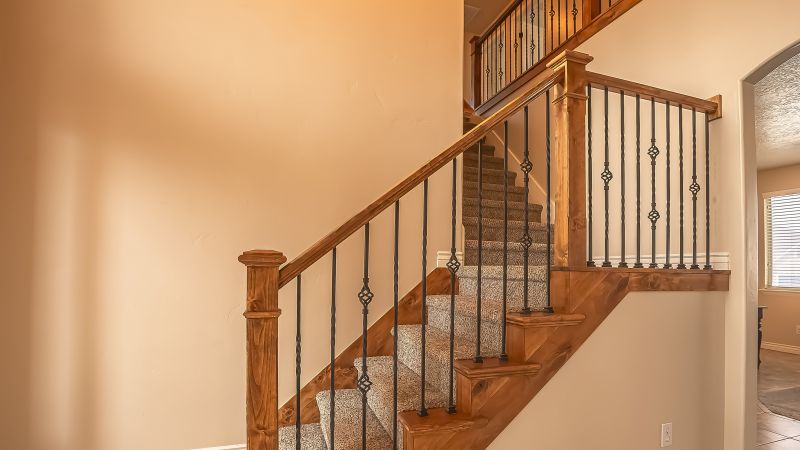
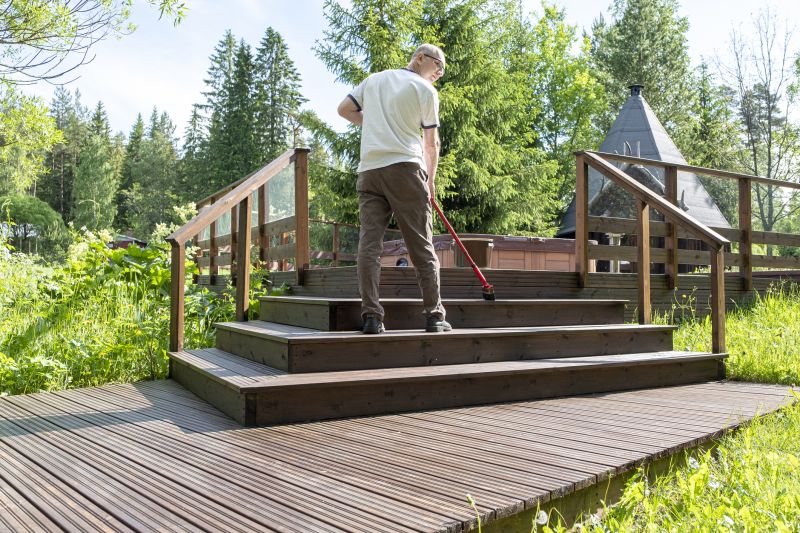
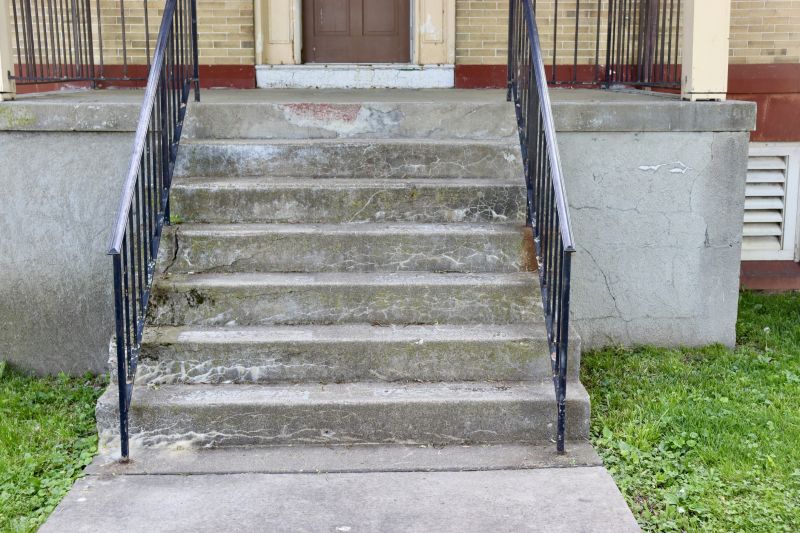
When people search for repairing loose railings, steps, and handrails, they are typically looking for solutions to stability issues that can pose safety concerns around their homes or properties. Loose railings and handrails are often found along staircases, porches, decks, or balconies, and when they become wobbly or unstable, it can increase the risk of falls or accidents. This search often relates to situations where the original mounting or fasteners have worn out, corroded, or been damaged over time. Homeowners may also be planning to update or improve the safety and appearance of their property, making repair services a key part of their project.
The problems associated with loose railings, steps, and handrails usually involve structural weakening, deterioration, or improper installation. Common issues include rusted or broken fasteners, cracked or rotting wood, and loose fittings that no longer hold securely. These issues can develop gradually or suddenly, especially after severe weather, heavy use, or age-related wear. Many property owners are seeking repair services to restore stability, ensure compliance with safety standards, or prepare for property inspections. Whether it’s tightening loose components, replacing worn parts, or reinforcing mounting points, local service providers can address these concerns efficiently.
Repairing loose railings, steps, and handrails is relevant across a variety of property types. Residential homes, particularly older houses, frequently encounter these issues on exterior porches, staircases, or decks. Commercial properties such as apartment complexes, retail storefronts, or office buildings may also require repairs to meet safety requirements and prevent liability. Multi-family housing, public venues, and even historic properties often need specialized attention to restore or reinforce railings and steps. The common goal across these properties is to maintain safety, enhance durability, and improve the overall look of the property’s exterior and interior features.
Local contractors specializing in loose railing, step, and handrail repairs play a vital role in addressing these needs. They bring practical experience in diagnosing the root cause of instability and applying appropriate fixes, whether that involves tightening fittings, replacing damaged materials, or upgrading mounting systems. These service providers are familiar with different property styles and materials, ensuring repairs are both durable and visually appropriate. For homeowners and property managers, connecting with local pros offers a straightforward way to find trusted help for restoring safety and stability, making sure that loose railings, steps, and handrails are secure and reliable for everyday use.
Balcony Railing Repairs - repairing loose balcony railings involves similar skills in securing and stabilizing metal or wood components to ensure safety and stability.
Staircase Restoration - fixing loose or unstable staircase steps requires precise planning and the use of tools comparable to those used in railing and handrail repairs.
Deck Handrail Installation - installing or repairing deck handrails involves understanding load requirements and proper fastening techniques similar to loose railing repairs.
Porch Post Reinforcement - reinforcing porch posts and supports shares planning and securing skills necessary for fixing loose handrails and steps.
Fence Repair Services - repairing loose or damaged sections of fences involves similar assessment and fastening methods as loose railing repairs.
Interior Stair Railing Upgrades - upgrading or repairing interior stair railings requires attention to detail and secure fastening, akin to exterior railing repair projects.
When evaluating service providers for repairing loose railings, steps, and handrails, it is important to consider their experience with similar projects. Homeowners should seek out local contractors who have a proven track record of handling repairs of this type, as familiarity with the specific challenges involved can contribute to a more effective and durable fix. Asking for examples of past work or references related to railing, step, and handrail repairs can provide insight into their expertise and help ensure that the chosen professional has a history of successfully completing projects comparable to the current needs.
Clear written expectations are essential when comparing local pros for loose railing repairs. Homeowners should aim to receive detailed descriptions of the scope of work, materials to be used, and the estimated process involved. Having a well-defined understanding of what the repair entails helps prevent misunderstandings and ensures that both parties are aligned on the project’s goals. Service providers who communicate their approach clearly and provide written estimates or plans demonstrate professionalism and transparency, making it easier to compare options and select a contractor who meets expectations.
Good communication and reputable references are key factors when selecting local contractors for railing, step, and handrail repairs. Homeowners should look for providers who are responsive, willing to answer questions, and able to explain their process in understandable terms. Additionally, seeking out references or reviews from previous clients can give confidence in the contractor’s reliability and quality of work. Contractors who prioritize clear communication and have positive feedback from past customers are more likely to deliver a smooth, satisfactory repair experience.
Property owners often search for repairing loose railings, steps, and handrails when they are planning practical projects around their homes and businesses. Local pros provide Loose Railings, Steps, and Handrails Repair services for everyday jobs and straightforward project options.
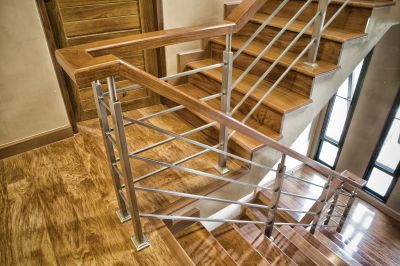
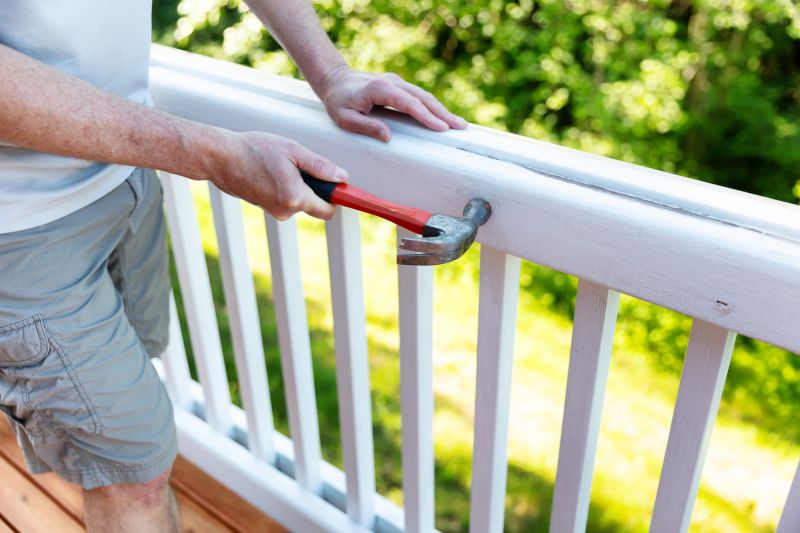
Loose railings, steps, and handrails are common issues that property owners encounter in everyday settings, especially around entryways, staircases, and outdoor walkways. Over time, regular use, weather exposure, or minor impacts can cause these safety features to become unstable, creating potential hazards for residents and visitors alike. When this happens, many look up repair options to ensure safety and maintain the property's appearance, often seeking out local contractors who specialize in fixing these types of issues.
Property owners considering repairing loose railings, steps, and handrails typically find it helpful to connect with experienced service providers in their area. Local contractors can assess the specific situation, recommend appropriate fixes, and perform repairs that restore stability and safety. Whether it's tightening loose fittings, replacing worn components, or reinforcing structural elements, these professionals provide practical solutions to keep stairways and walkways secure and reliable.
What causes railings, steps, and handrails to become loose? Loose railings, steps, and handrails can result from age, frequent use, or structural shifts in the building. Over time, fastening points may weaken, leading to instability that requires repair by experienced service providers.
How can a professional repair loose railings, steps, and handrails? Local contractors typically assess the specific cause of looseness, then tighten, reinforce, or replace components as needed to restore stability and safety to the structure.
Are there different repair methods for wood versus metal railings and handrails? Yes, repair techniques vary depending on the material; wood may need re-anchoring or reinforcement, while metal might require welding or new fasteners, with service providers choosing the appropriate approach.
What signs indicate that loose railings, steps, or handrails need repair? Common signs include wobbling, movement when used, visible gaps, or cracked and worn fasteners, prompting a professional inspection and repair to ensure safety.
Can loose railings, steps, and handrails be repaired without replacing the entire structure? Often, repairs involve tightening or reinforcing existing components, allowing for effective stabilization without full replacement, handled by local service providers skilled in such repairs.
Assessing stability - Property owners can evaluate loose railings, steps, and handrails to identify areas needing repair before issues worsen, with guidance from local contractors.
Selecting repair materials - Choosing the right fasteners and hardware ensures that repairs to loose components are durable and match existing structures, with advice from local service providers.
Implementing temporary fixes - Applying temporary supports can improve safety until professional repairs are completed by local contractors experienced in railing and step restoration.
Planning for long-term solutions - Consulting with local pros helps property owners develop maintenance plans to prevent future loosening of railings, steps, and handrails.
If you are thinking about repairing loose railings, steps, and handrails for a property, this guide is meant to help you understand this topic, the typical project types, and how different options might fit your plans.
When you are ready, you can use the quote form on this page to share a few details about your project. From there, local pros can review the basics and follow up with options that match what you have in mind.